

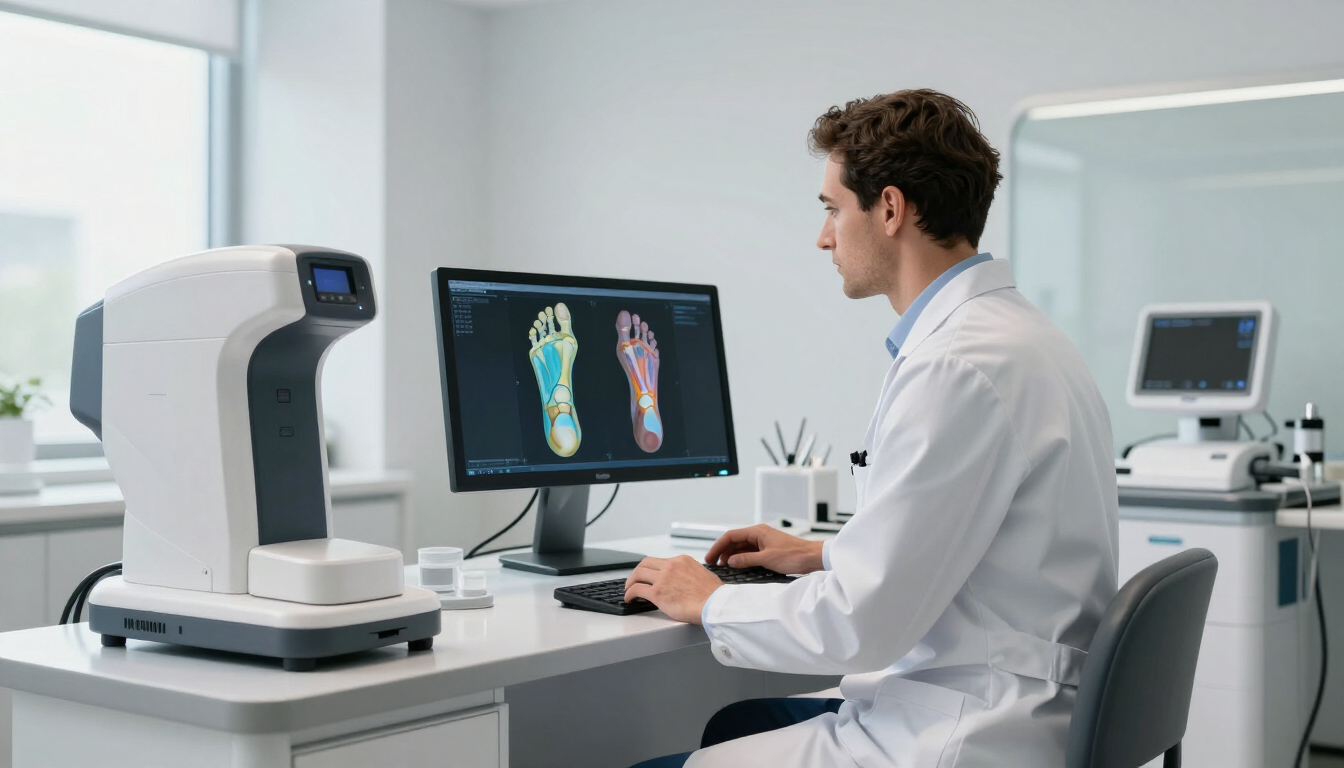
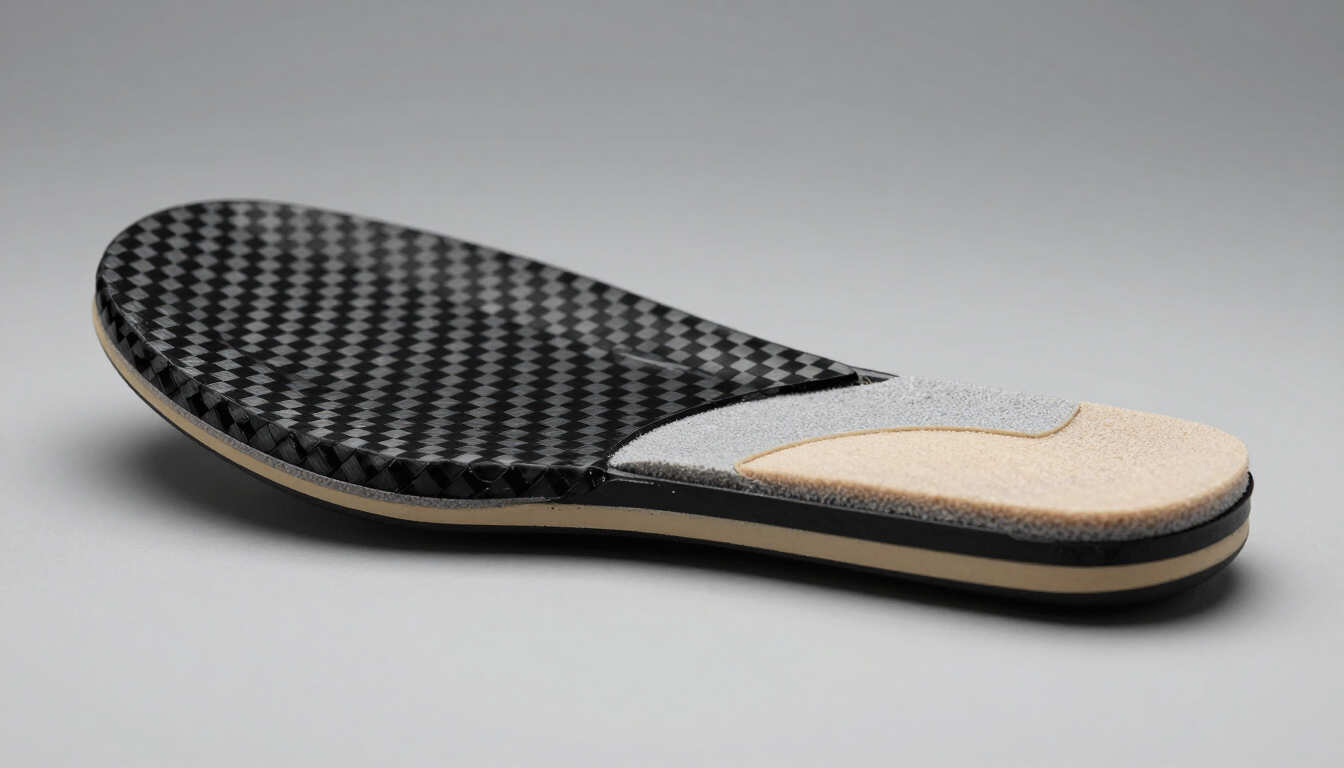
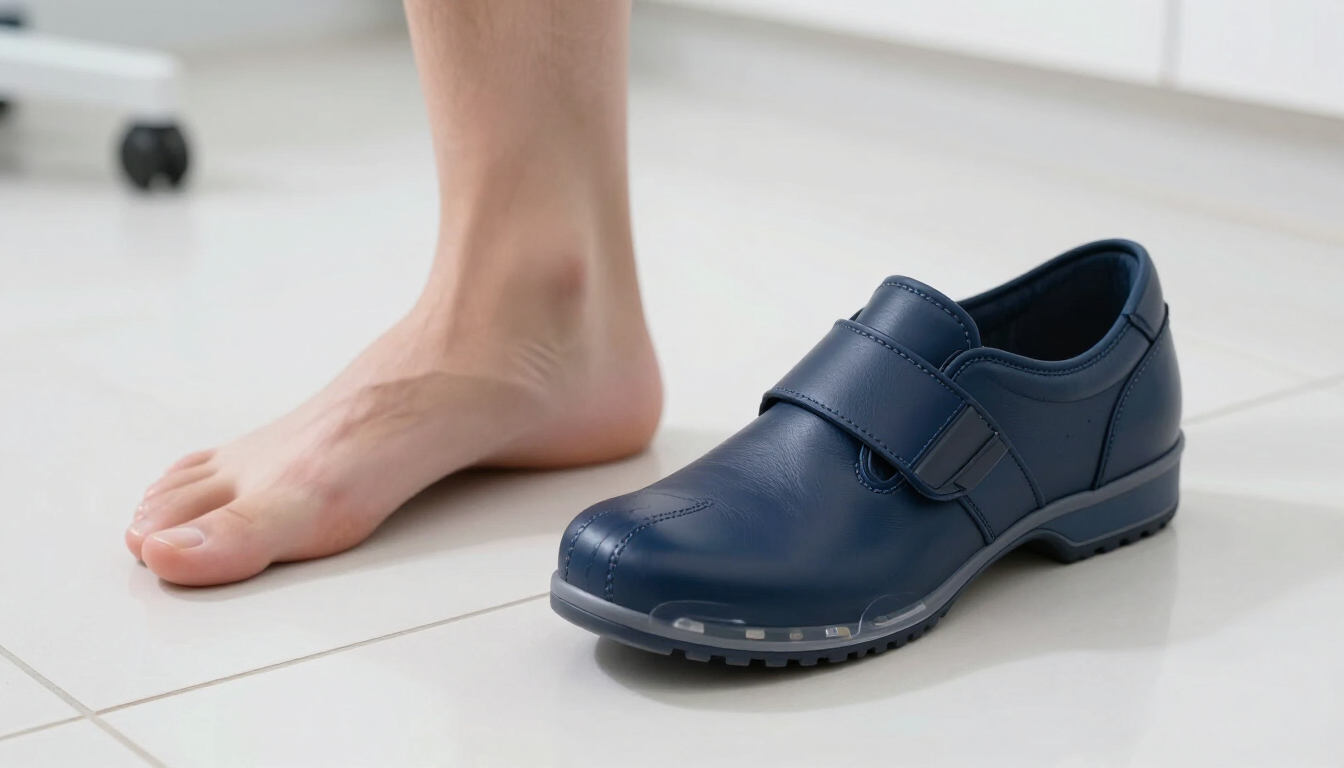
Learn how diabetic shoes protect sensitive feet, reduce pressure, and help prevent sores. Find out who may qualify and how to discuss coverage with a podiatrist.
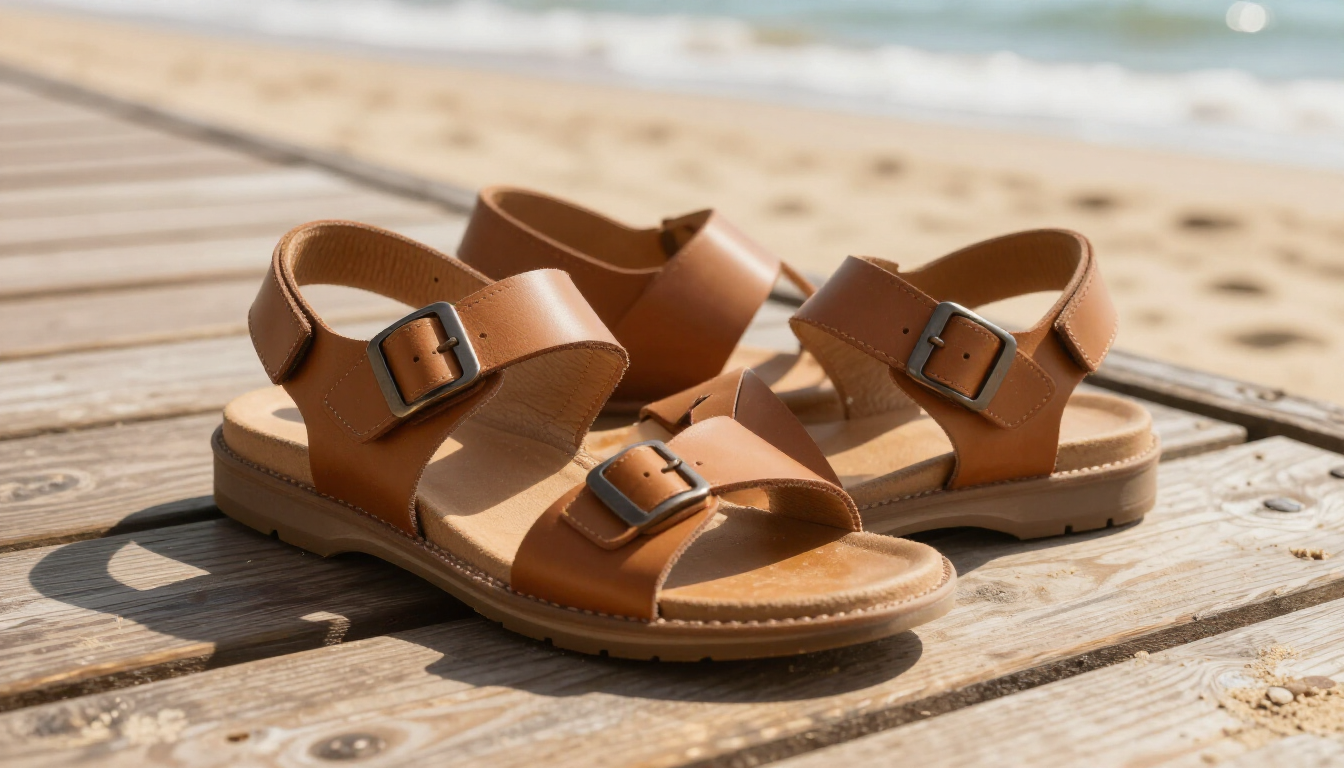
Discover the best sandals for healthy feet this summer. Learn why flip-flops are risky and how to choose podiatrist-approved footwear with proper arch support.

Discover essential summer foot care tips to prevent pain, swelling, and infections. Learn how to choose the best footwear and stay healthy all season with Nagy Footcare.
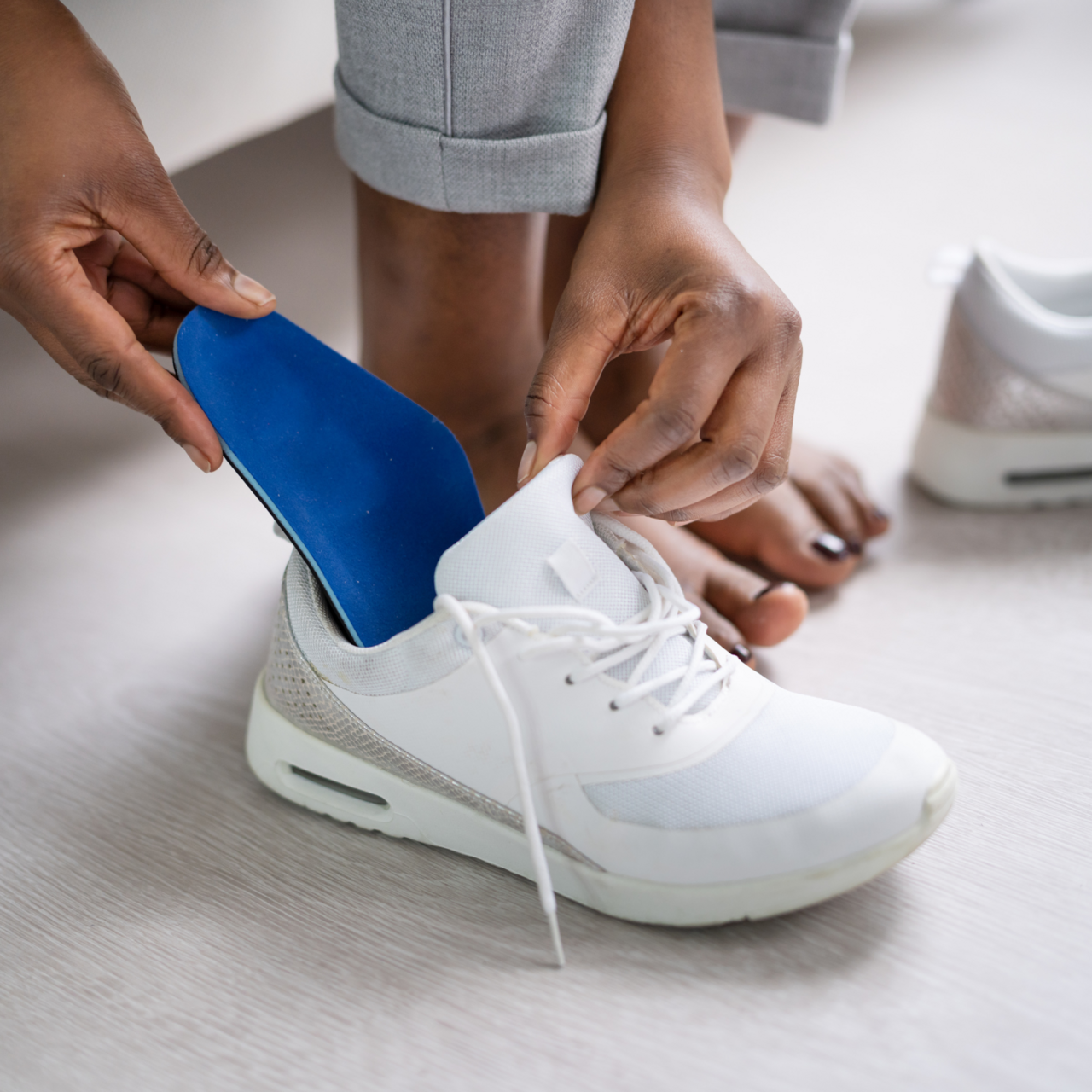
Your feet are the foundation of your entire body — when they’re not properly supported, it can lead to pain not just in your feet, but in your ankles, knees, hips, and back, too. That’s where custom orthotics come in! What Are Custom Orthotics? Custom orthotics are medical-grade shoe inserts that are specifically designed for your unique feet, gait, and needs. Unlike over-the-counter insoles, custom orthotics are crafted based on a detailed assessment by your podiatrist, ensuring the perfect fit and support for your lifestyle. Who Can Benefit from Custom Orthotics? Custom orthotics can help people with: ✅ Flat feet or high arches ✅ Plantar fasciitis or heel pain ✅ Bunions or hammertoes ✅ Arthritis ✅ Sports injuries ✅ Foot, ankle, knee, hip, or lower back pain caused by poor alignment How Do They Work? Custom orthotics work by redistributing pressure and correcting misalignments, which helps your feet function properly and comfortably. They can also help prevent future problems by providing the support you need with every step. Ready to Feel the Difference? If you’re experiencing foot or lower body pain, custom orthotics may be the solution you’ve been looking for. Schedule an appointment today and let our foot specialists help you step into lasting comfort and support!

Your feet are the foundation of your body, supporting you with every step you take. We understand that maintaining foot health is crucial to your overall well-being and mobility. In honor of April being National Foot Health Awareness Month, this blog explores why foot health should never be overlooked and provides tips for keeping your feet healthy. Why Foot Health Matters The human foot is a complex structure of 26 bones, 33 joints, and over 100 muscles, tendons, and ligaments. This intricate design allows for movements such as walking, running, and jumping. However, it also means that many things can go wrong if not cared for properly. Poor foot health can lead to a range of issues from simple aches and pains to more severe conditions like plantar fasciitis or diabetic neuropathy. Moreover, problems in your feet can affect other parts of your body, including your knees, hips, and back. Tips for Maintaining Healthy Feet Regular Check-ups: Just like regular dentist visits, regular check-ups with a podiatrist, especially during National Foot Health Awareness Month, can help catch foot problems before they become serious. Proper Footwear: Wear shoes that fit well and provide good support. Different activities require different types of shoes – what you wear for running is not suitable for a day at work. Foot Hygiene: Wash your feet daily, dry them thoroughly to prevent infections, and change socks daily. Stay Active: Regular exercise helps keep your feet and body healthy. Remember to stretch your feet and ankles before and after workouts. Manage Your Weight: Extra weight puts additional pressure on your feet, increasing the risk of foot disorders. Common Foot Conditions and Treatments Plantar Fasciitis: Often felt as heel pain, treated with exercises, proper footwear, and sometimes orthotics. Bunions: Misaligned big toe joints that can become swollen and tender. Treatment options include wearing comfortable shoes, pads, and in severe cases, surgery. Diabetic Foot Care: People with diabetes need to take extra care of their feet as poor blood circulation and nerve damage can lead to serious foot problems. We believe in a proactive approach to foot health. Whether you're an athlete, a busy professional, or enjoying retirement, taking good care of your feet is a step toward a healthier life. Celebrate National Foot Health Awareness Month with us and schedule an appointment today to learn how you can better care for your feet and enhance your overall wellness.
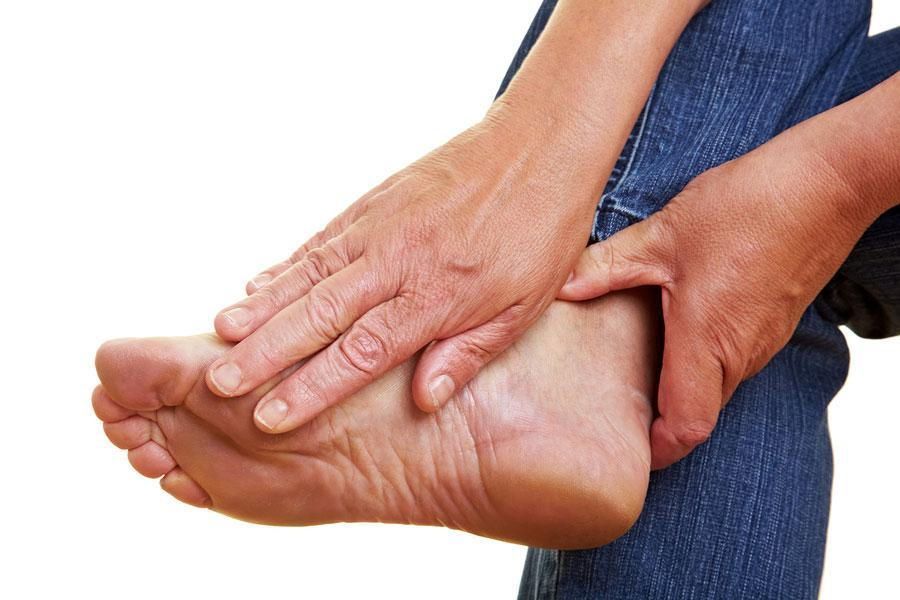
Here's the rewritten blog with all specific names and locations removed: A hammertoe is a deformity of the toe that causes the middle joint to bend, resembling the shape of a hammer. If you have hammertoes, you should seek medical attention. The sooner you seek treatment, the likelier it is that the problem won't get worse. The podiatrists at our foot and ankle center are here to help with the treatment of hammertoes. About Hammertoes Hammertoes are painful deformities of the toes, and often affect the middle three toes. Initially, hammertoes may be flexible, but over time, they may become rigid and require surgery to straighten the toes. Because hammertoes are progressive, they should receive early medical attention, as they won't get better without some kind of intervention. Causes of Hammertoes Some causes of hammertoe are poorly fitting shoes, high heels, foot injuries, and medical conditions that affect the nerves and muscles, such as diabetes and arthritis. Women are more likely to develop hammertoes than men. The risk of developing a hammertoe increases with age. Genetics can also play a role in hammertoes, as they may run in families. Hammertoes can be a serious problem for diabetics and people with poor circulation. Symptoms of Hammertoes Deformity is usually the first symptom of hammertoe. Patients with hammertoes may have calluses or corns on the top of the middle joint of the toes or on the tips of the toes. They may feel pain in their toes and have difficulty finding footwear that is comfortable. At first, they may be able to move and straighten the deformed toes. Over time, they will no longer be able to move the deformed toes. Hammertoe Treatments Padding and taping is the first step in a treatment plan. Padding and taping the hammertoe prominence relieves the stress and pain and allows the patient to continue a normal, active life. Cortisone injections and anti-inflammatory medications can be prescribed to relieve pain and inflammation caused by the deformity. Custom-fitted shoe inserts called orthotics made by your foot doctor may ease your discomfort and prevent the worsening of the deformity. When the hammertoe is not resolved with the above methods, surgery may be necessary. Don't let a hammertoe knock you off your feet. Call our office today to schedule a consultation. Our hammertoe treatments will ease your pain and help you get back to a normal, happy, and healthy life.

Find out if the symptoms you're experiencing could be trying to tell you that you have a stress fracture. A stress fracture occurs when a tiny crack in the bone of your foot or ankle develops. More often than not, stress fractures come about over time due to overuse, which is why a lot of athletes experience this problem at some point during their lifetime. Are you wondering if your discomfort could actually be a stress fracture? Our podiatrists are here to help you figure out if it's time to schedule an evaluation. How do stress fractures happen? As mentioned above, this is a problem that commonly plagues athletes and runners because stress fractures often arise from overuse or from performing repetitive movements. Of course, if you suddenly change the intensity or duration of a workout you may also find yourself dealing with this problem. It's important that you are warming up and conditioning your body properly before exercising or adopting a new workout routine. Those with other health problems such as osteoporosis or arthritis may also be prone to stress fractures in the feet and ankles. What are the symptoms of a stress fracture? Pain is the number one indicator of a stress fracture. Of course, a lot of injuries and other problems can lead to foot and ankle pain, so you'll want to visit your foot doctor for a proper and comprehensive evaluation to determine the true source of your pain. If you have a stress fracture, pain may get worse when walking or putting weight on the foot, but the pain may subside when resting. The pain may be exacerbated throughout the day depending on your activity level. There may also be some swelling present on the top portion of the foot or around the ankle depending on the location of the stress fracture. The area may also be tender to the touch or there might be some minor bruising. If you suspect that you have a stress fracture, it's important that you schedule an appointment right away so that your condition can be diagnosed and treated as soon as possible to prevent complications. Don't ignore changes in the health of your feet. Our team of foot care specialists is here to make sure you get the care you need to speed up recovery and get back to your daily activities. Call our office today to learn more.
Does heel pain make walking uncomfortable? The podiatrists at our foot and ankle center share common causes of heel pain and explain what can be done to relieve it. Haglund's Deformity Haglund's deformity, also known as retrocalcaneal bursitis, causes a swollen red bump to develop on the back of your heel. The bursa, a small, fluid-filled sac, helps your Achilles tendon glide over the bones in your ankle joint easily. You can develop Haglund's deformity if you wear shoes that rub against your heel or exercise more intensely or longer than normal. The condition often goes away if you choose shoes that don't irritate your heel. Soaking your heel in warm water, applying ice packs, and taking over-the-counter pain medication can help reduce pain. If your symptoms continue, you may benefit from physical therapy, ultrasound treatment, corticosteroid injections, or orthotics. Calluses Painful calluses can develop on your heel if you wear shoes that don't fit well or if one of the metatarsal bones in your foot is longer than the other. Although you can remove shallow calluses with a pumice stone, it's a good idea to schedule an appointment with your podiatrist if your callus is thick or you have diabetes. If a difference in the length of your bones causes frequent calluses, you may benefit from surgery to lift and realign the longer bone. Plantar Fasciitis An inflammation of the plantar fascia, a thick band of connective tissue you can feel if you press on the sole of your foot, is a common cause of heel pain. The condition is more likely to occur if you run or are on your feet for long periods of time, are overweight, or have an arch problem. If your pain is mild, you may notice some improvement if you stay off your feet, apply ice packs, and perform a few stretching exercises. Corticosteroid injections, night splints, and heel inserts are often recommended by foot doctors to treat plantar fasciitis symptoms. In severe cases, surgery may be needed. Are you concerned about your heel pain? Call our office today to schedule an appointment with one of our podiatrists. We are here to help you get back on your feet.

Here's the rewritten blog with all specific names and locations removed: Have foot fungus? Fungal infections are very common. Studies show that foot infections like toenail fungus and athlete's foot do spread from person to person. The podiatrists at our foot and ankle center offer treatments for fungal infections. Here's how to keep your foot fungus from spreading to your partner. 1. See a podiatrist for treatment. If you think you may have foot fungus, book an appointment with your podiatrist right away. A podiatrist can figure out if you have foot fungus. The doctor will be able to tell by looking at the skin on your feet. The doctor may scrape off a skin sample to test for fungus. Your podiatrist may suggest using an antifungal ointment, powder, lotion, or spray. 2. Cover up your fungal infection. If you live with your partner, do this every day. Fungal infections can be spread from person to person by touching. Keep the fungal infection covered until it has been treated. Don't cover the area too tightly. It's important to keep the area dry and cool as you treat the foot fungus. 3. Practice good hygiene. By practicing good hygiene, you may be able to keep your foot fungus from spreading to your partner. Wash and dry your feet regularly. Make sure that you wash your hands any time that you may have touched your own fungal infection. Keeping your feet dry and clean is a simple way to prevent foot fungus from spreading to your partner. 4. Avoid walking barefoot. Wearing shoes is a simple way to prevent foot fungus from spreading to your partner. If you have foot fungus, walking around without shoes will increase the chance that you will spread it to your partner. Make sure your partner protects their feet at home. 5. Don't share your personal items. Don't share any personal care items such as shoes, towels, clothing, socks, nail clippers, nail files, antiperspirant, or razors with your partner. A fungal infection of the foot can be spread by indirect contact with an infected individual's personal care items. Say hello to healthy and happy feet! Don't wait another minute -- call our office today to schedule an appointment. Get your life back on track by receiving the best foot fungus treatment available. We will help you achieve real relief with little expense or trouble.
Tired of that bunion? A bunion is a bony bump that forms on the joint connecting the big toe. Bunions can be extremely painful. The podiatrists at our foot and ankle center offer a range of specialized treatments for bunions. Read on to learn about four treatment options for bunions. 1. Taping and Padding - Taping and padding can ease your symptoms. Your foot doctor can pad and tape your foot in a normal position. This will reduce pain and stress on your bunion. Taping and padding also prevent bunions from getting worse. 2. Custom Orthotics - Orthotic devices are used to treat a variety of foot problems. Orthotic devices are molded pieces of rubber, leather, or other material that are inserted into a shoe. Orthotic devices can be helpful in treating bunions. They can help take pressure off your toes and alleviate your pain. You can get custom-made orthotic devices from your podiatrist. 3. Suitable Footwear - It is recommended that you wear flat or low-heeled, wide-fitting shoes if you have a bunion. High-heel shoes can make your bunion worse by putting excessive pressure on your toes. Footwear made from soft leather is ideal because it will relieve pressure on your bunion. 4. Bunion Surgery - Surgery may be recommended for your bunion if your symptoms are severe enough to warrant such intervention. The type of surgery performed depends on the severity of the bunion and the patient's general health, age, and activity level. Say hello to healthy and happy feet! Call our office today to schedule an appointment. We are committed to providing high-quality patient care using state-of-the-art technologies. We will provide all the relief you need.